Legacy Eats the Roadmap
Maintenance absorbs the capacity meant for new capability.
AI-native engineering with Claude, Copilot, and Cursor to modernize legacy systems, build new applications, and run AI transformation on outcome-based contracts. Senior engineers stay accountable for every release.
Aging systems eat the roadmap, new builds take quarters, and AI tools stay stuck in pilots. We close that gap with governed AI engineering that reaches production, even in regulated industries.
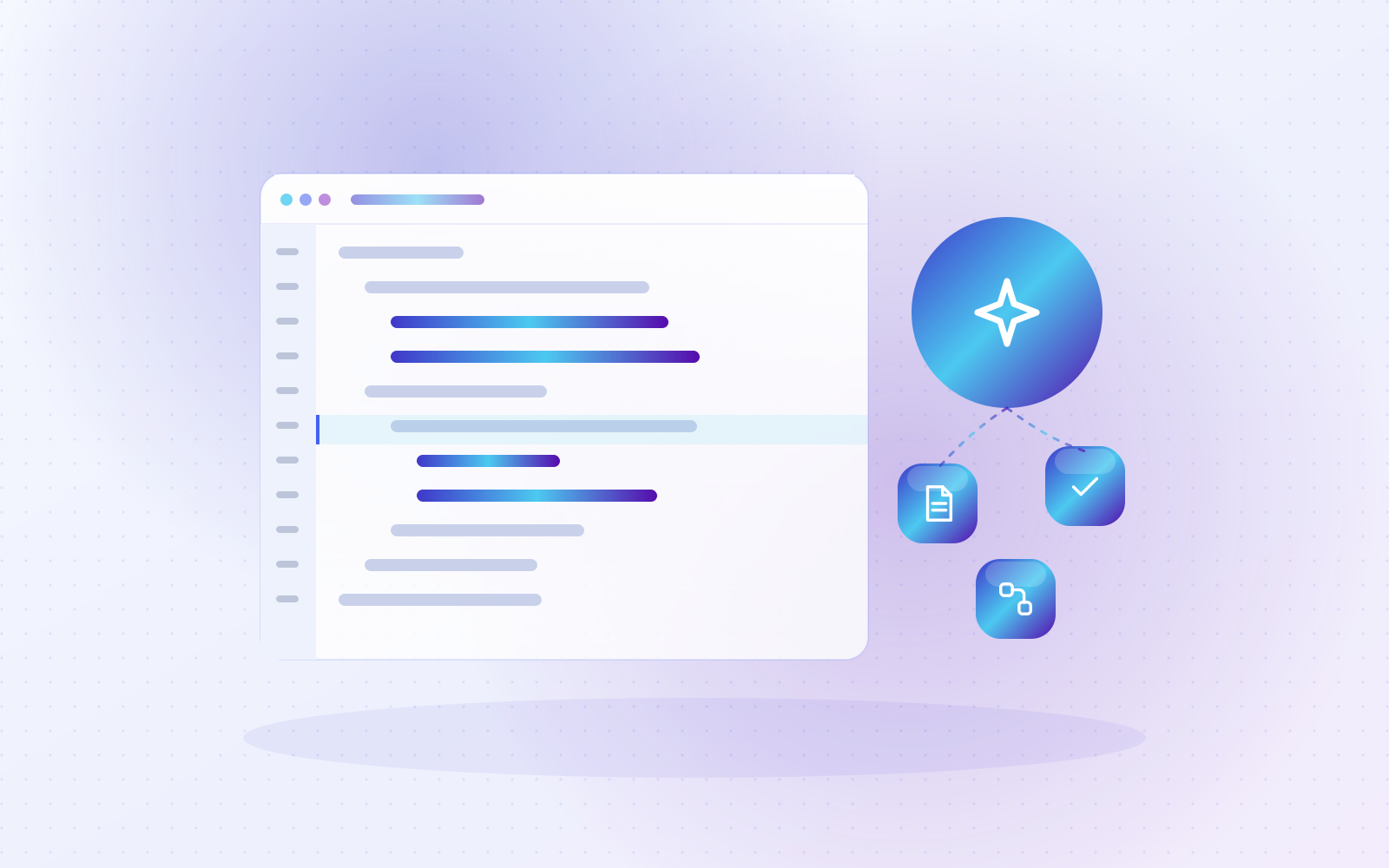
Maintenance absorbs the capacity meant for new capability.
By launch, the business has already moved on.
Without governance for code, security, and IP, nothing reaches production.
Definition
AI transformation is the shift from isolated AI pilots to production systems that change how an organization builds software, runs operations, and makes decisions, with measurable outcomes. At SMI TechSolutions, AI transformation starts with an AI readiness assessment, then applies AI-native engineering to the systems that matter most.
Services
 01 / 05
 02 / 05
 03 / 05
 04 / 05
 05 / 05
How we build
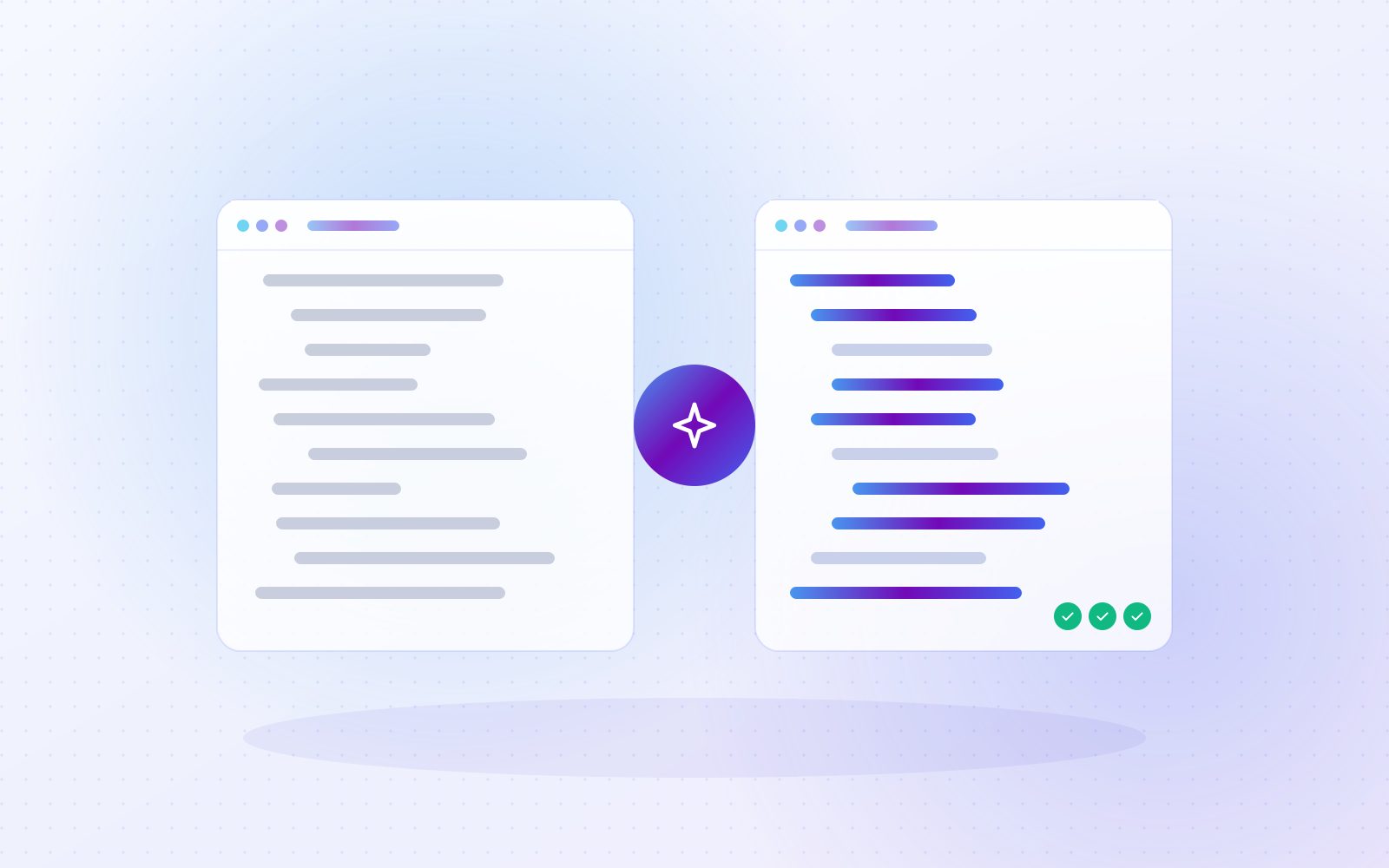
Analyzes legacy code, plans refactors, and drafts documentation.
Speeds up day-to-day coding and test writing.
Runs codebase-wide changes with full project context.
Every change passes human review and automated quality gates. Your code stays yours.
Engagement models
Industries
Built for sectors where uptime, data integrity, and compliance shape every engineering decision.
FAQ
AI-driven digital transformation services use AI code assistants such as Claude, Copilot, and Cursor to modernize systems and build applications faster, while senior engineers own architecture and release decisions. SMI TechSolutions delivers them on outcome-based contracts.
Yes, when it passes the same controls as human-written code. SMI TechSolutions puts every change through human review, automated testing, and security scanning inside your repositories and policies.
AI code assistants map the legacy codebase, suggest refactors, and generate tests, so engineers modernize faster with less risk. SMI TechSolutions keeps proven business logic, reviews every change, and decides with you whether to modernize or rebuild.
You do. SMI TechSolutions works in your repositories and hands over full source and documentation at the end of every engagement.
An AI readiness assessment reviews your systems, data, codebase, and team skills to show where AI can deliver measurable results first and what must change to get there. SMI TechSolutions runs it as a short first step before any modernization or build.
SMI TechSolutions and the client agree on measurable results up front, such as a system live in production, and fees are tied to delivering them. SMI carries execution risk. Time and material fits better when scope is still evolving.
AI native means AI is built into how software is designed, written, tested, and maintained, not added as a pilot afterward. At SMI TechSolutions, AI-native engineering means every engineer works with Claude, Copilot, and Cursor daily, inside governed review and release processes.
Each tool covers a different job. Claude analyzes large codebases, plans refactors, and drafts documentation. GitHub Copilot speeds up day-to-day coding and test writing. Cursor applies changes across a whole project with full context. SMI TechSolutions engineers choose the right tool per task and review every output.
Yes. A cloud migration moves an application to new infrastructure largely as it is. AI-powered application modernization uses AI code assistants to restructure the code itself into cloud-native, maintainable architecture. SMI TechSolutions often combines both, so the application is easier to change after it moves.
SMI TechSolutions runs AI-assisted work inside your repositories, access controls, and security policies. Every change passes human review, automated testing, and security scanning, and AI usage stays auditable. We align delivery with the frameworks you answer to, such as HIPAA, SOX, and SOC 2.
Yes, as the first stage of delivery rather than a standalone report. SMI TechSolutions starts with an AI readiness assessment, then builds a roadmap tied to business KPIs, and stays to engineer the systems on it. That keeps strategy and execution with one accountable team.
Start with an AI readiness assessment: a 30-minute call with an engineering lead and a clear path forward.